


How to train during winter ?
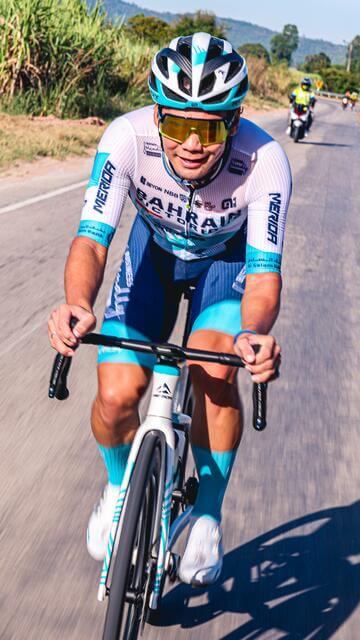
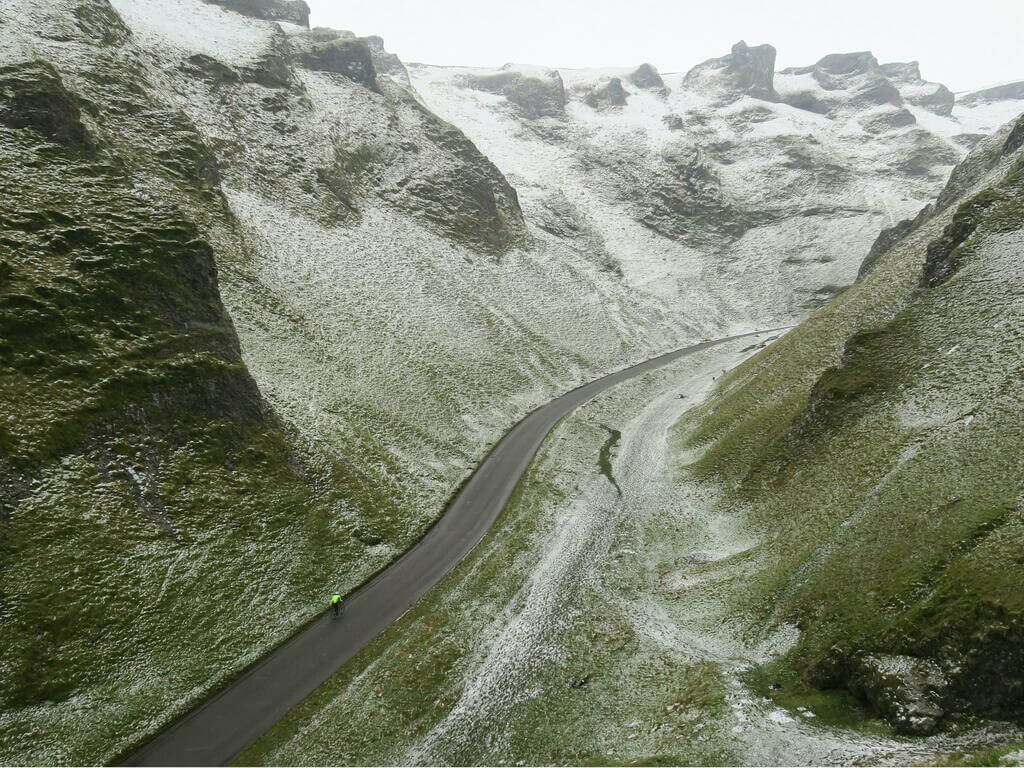
Winter can be a tough time for cyclists. With colder temperatures, shorter days, and unpredictable weather, staying motivated and consistent can feel like an uphill battle. Yet, it is also a golden opportunity to build strength, endurance, and mental resilience in preparation for the season ahead.
Here is how to overcome the challenges of winter training and get ready to shine at your next L’Étape by Tour de France event:
Indoor Training: Ride Smart and Efficient
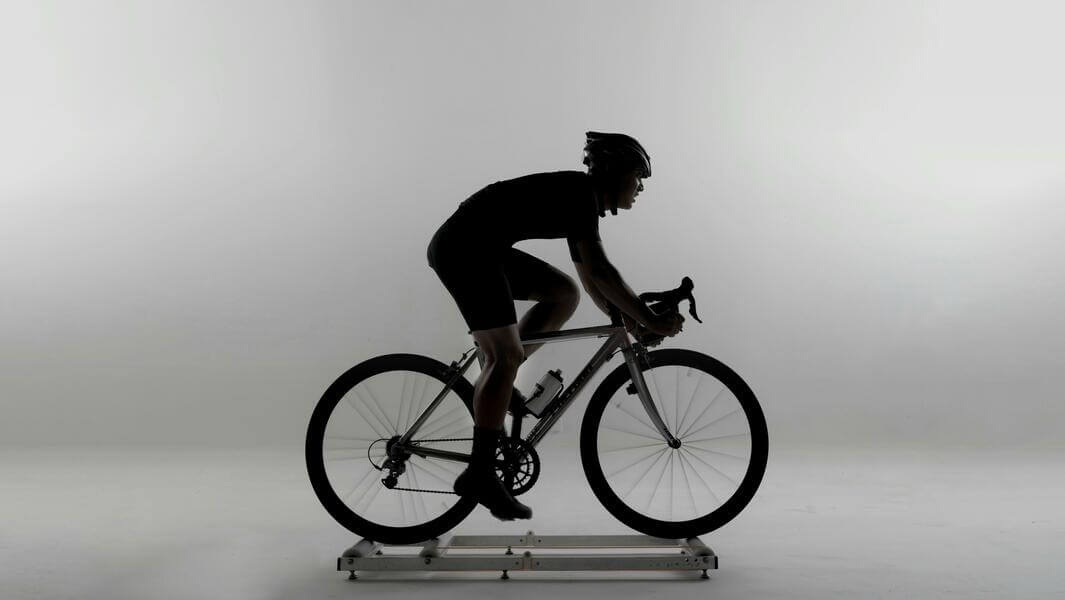
When outdoor conditions aren't favorable, indoor training becomes your best ally. Using a smart trainer connected to platforms allows you to simulate race-like conditions in the warmth of your home. These tools offer structured workouts, interval training, and even simulated climbs that help improve your power, speed, and endurance. If you’re looking to build your FTP or work on specific intervals, these platforms can offer targeted plans that keep you focused. Not only does indoor training keep you safe from winter hazards, but it’s also time-efficient, allowing you to maximize your efforts in a controlled environment.
Build Strength and Balance
Cycling isn’t just about pedaling—it’s about power, stability, and resilience.
- Include strength training exercises like squats, lunges, and planks to build the muscles needed for long climbs and powerful sprints.
- Try yoga or Pilates to improve flexibility and prevent injuries, ensuring you’re ready for the challenges ahead.
L’Étape Tip: Cyclists who dedicate time to off-the-bike training often notice a significant improvement in climbing and endurance during events. Build your strength now to make those legendary climbs feel easier later.
Recharge and Plan Ahead
Winter isn’t just about training—it’s also a time to reflect, recharge, and refocus.
- Recharge Your Energy: Take advantage of the off-season to recover mentally and physically from the demands of the past season.
- Reflect on Your Achievements: Look back at what went well last year and where there’s room for improvement.
- Plan for the Future: Set your sights on the upcoming season. Whether your goal is to conquer a specific climb or achieve a personal best at L’Étape by Tour de France, having a clear objective will fuel your motivation.
Our tip: Use this downtime to map out a training plan that aligns with your goals. Break it into manageable phases (base building, strength, and intensity) and schedule key milestones, like your participation in L’Étape by Tour de France. A structured plan keeps you focused and motivated through the winter months.