


5 Tips to Train for your L'Étape Series Event
L'Étape Series by Tour de France offers cycling enthusiasts the unique opportunity to live the Tour de France experience. Whether you're tackling the challenging mountain climbs, rolling hills, or flat endurance routes, proper training is key to making the most of your L'Étape Series event. Here are 5 essential training tips to help you prepare for race day and ride like a pro.
1. Build Your Endurance
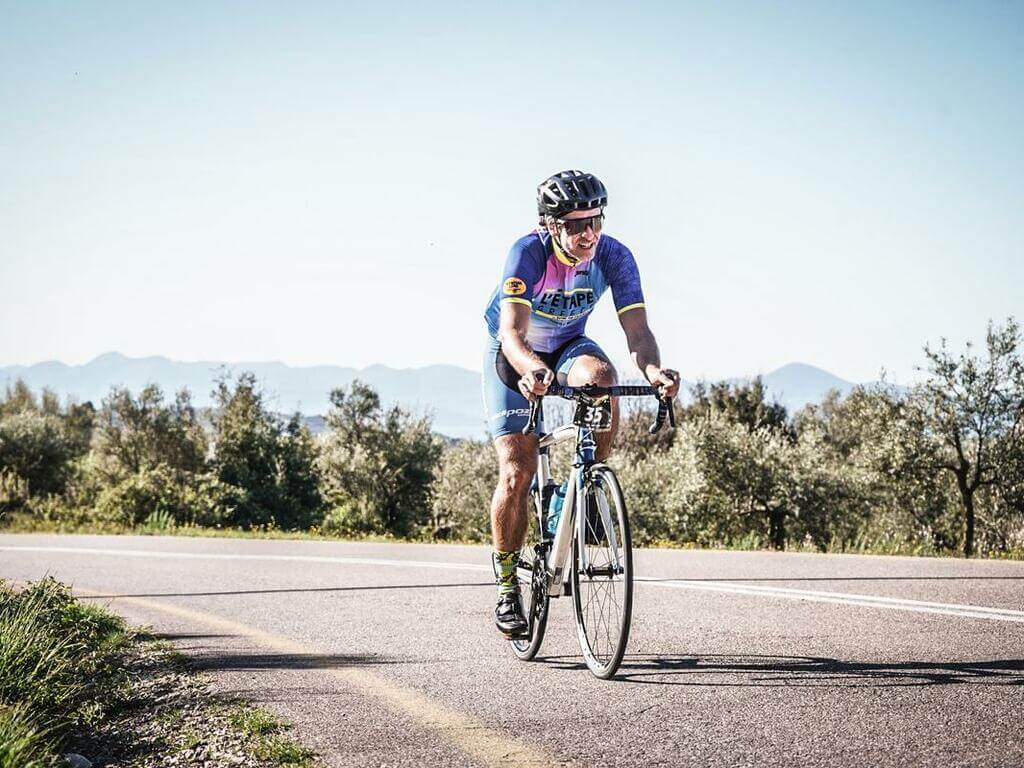
Participate to a L'Étape Series event requires a good endurance. The best way to improve endurance is through consistent training. You should gradually increase your ride length each week, incorporating long rides that simulate race conditions. It would be beneficial to include at least one ride per week that is close to your event’s total distance to build the necessary physical and mental resilience. Incorporating back-to-back long rides over the weekend can also help simulate fatigue and allow your body to adapt to sustained effort. Additionally, training at a steady, moderate intensity over extended periods should enhance your aerobic capacity, enabling you to maintain strong performance throughout the event.
2. Adapt your Training to the event
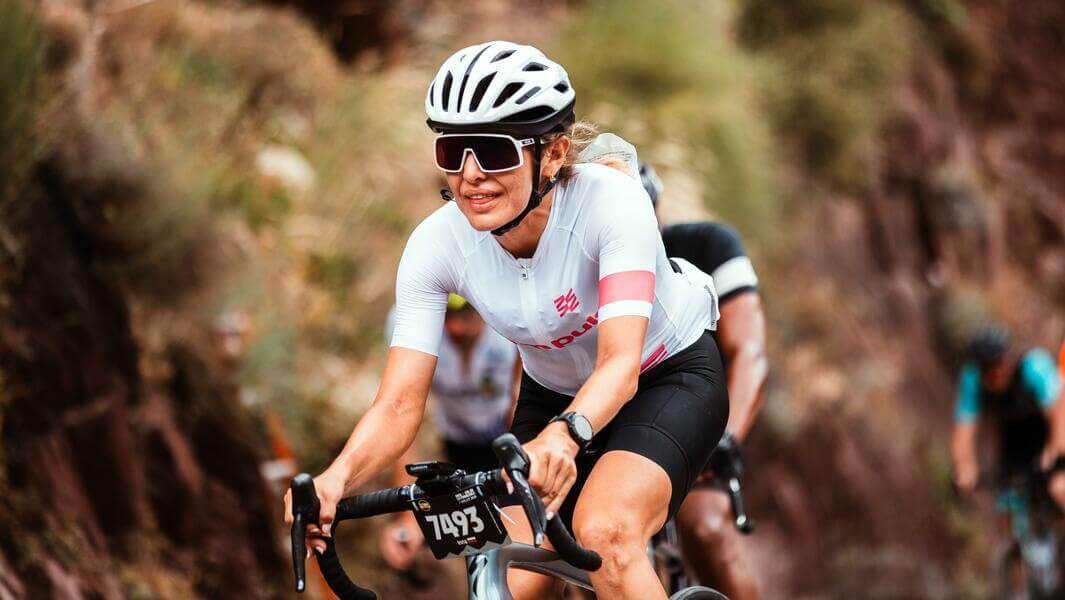
L'Étape Series events vary in terrain, from mountainous climbs to rolling hills and flat courses. You should tailor your training to match the specific profile of your event. If your race includes long climbs, incorporating hill repeats and focusing on maintaining a steady cadence can help, along with shifting gears efficiently to conserve energy. For rolling terrain, practicing pacing and power distribution would be advantageous to avoid burnout early in the ride. If you are facing a flatter route, focusing on sustained power output and aerodynamic positioning should be a priority, as wind resistance will play a key role in your performance. Training on similar terrain to your chosen event can also help familiarize you with the demands of the course and improve overall race-day confidence.
3. Improve your Power
While endurance is vital, power can provide an edge during competitive sections of the ride. Interval training—alternating between high-intensity bursts and recovery periods—should significantly improve your power output. Structured workouts such as sprint intervals, threshold efforts, and tempo rides would be beneficial to build strength and stamina. Adding resistance training or gym work to develop leg strength can be particularly helpful if your event includes sustained climbs. Training with a power meter could assist in tracking improvements and ensuring that you are hitting the right intensity levels for peak performance on race day.
4. Practice Nutrition and Hydration
L'Étape Series event requires a good fueling, and neglecting nutrition may lead to fatigue, cramping, or a sudden drop in energy levels. You should experiment with different nutrition strategies during training to determine what works best for you. A good approach would be to consume a mix of carbohydrates, proteins, and electrolytes before, during, and after your rides. It is recommended to take in 30–60 grams of carbohydrates per hour during longer rides and to fuel consistently rather than waiting until you feel hungry or thirsty. Staying hydrated is equally important—drinking regularly and adjusting intake based on weather conditions would be essential. If your event includes hot or humid conditions, increasing electrolyte consumption could help avoid dehydration and maintain peak performance.
5. Prepare Mentally and Taper Properly
The mental aspect of cycling is just as important as physical preparation. You should train your mind to handle fatigue by setting small goals throughout long rides and visualizing success. Breaking down the course into manageable sections and developing strategies to stay focused and motivated would be highly beneficial. As race day approaches, a tapering phase should be implemented by reducing training volume while maintaining intensity. This approach allows your body to recover and ensures that you arrive at the starting line feeling fresh and ready. Overtraining in the final weeks should be avoided—rest and recovery are essential to performing at your best on the big day.